
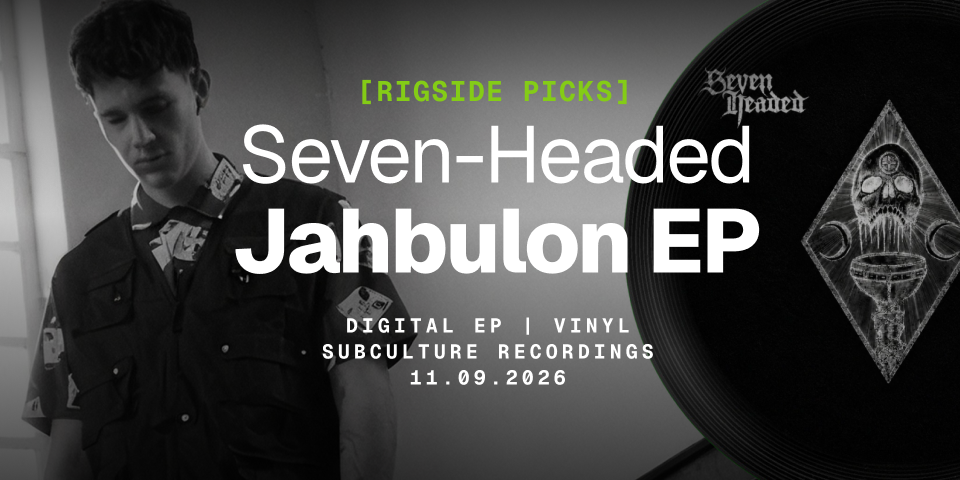
Inside Jahbulon: Seven-Headed on His Debut EP
Revelation, Masonic lore and five years of reworking. Inside Seven-Headed's Jahbulon EP.
Before drum and bass, Seven-Headed was a teenager with a guitar in a band that could never agree on anything. He says he moved to electronic music because he could finally finish something. Twenty years of apocalyptic mythology later, Jahbulon is the result.
We caught up with him about where the name came from, why he'd rather write songs than tracks, and the demonology running underneath the whole EP.
The Big Picture
Seven-Headed carries some heavy religious and apocalyptic imagery. Where did the name come from, and does it still mean the same thing to you now as it did when you picked it?
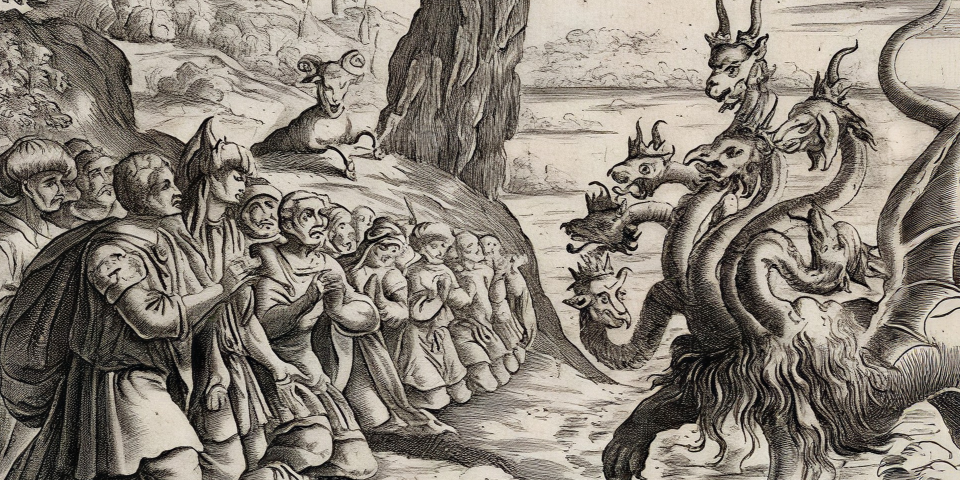
From a young age I was already fascinated with the mythology of the biblical apocalypse. The name comes from the book of Revelation, which describes a seven-headed beast with ten horns rising from the sea in apocalyptic times. It's basically another name for Satan. I use the name to evoke the ominous character that often comes with my stuff. In that sense, the name still means the same to me, yes.
You spent years behind the guitar before drum and bass became the focus. Was there a specific moment that shifted?
It shifted quite gradually, and quite so because I was playing in a band and wanted to write songs. In that band we were a bunch of teenagers with very different music tastes, so we couldn't really get anything done. Once I started listening to electronic music I realised that if I put my energy into that, I could actually get something done. I could work in the box, and I didn't have the financial obstacle that comes with recording real drums, for example.
You've been connected to SubCulture since their very first event, and this is being called the release where you leave "up and coming" behind. What does that shift actually feel like from where you're stood?
I think it mainly has to do with releasing a larger body of work. That has taken quite some time, for different reasons. I don't think I'm the most DJ-friendly type of producer, and I'm not interested in writing tracks, I'm interested in writing songs. A larger body of work allows you to explore that space a bit more. It's a bit more of a statement. For me it's a chance to show that I do in fact lace these sonic pieces with a certain energy, a certain spirit, and that they're not just made for clubbing purposes.
Some of these tracks have been kicking around for over five years, getting reworked again and again. What finally made you say "that's the one" on something you'd been sitting on that long?
It never so much was a question of if they were the right tracks, it was more a question of finding the right place and time to release them. I always felt they had potential, I just kind of waited for the feeling of: yes, now I'm ready to put these to rest and release them.
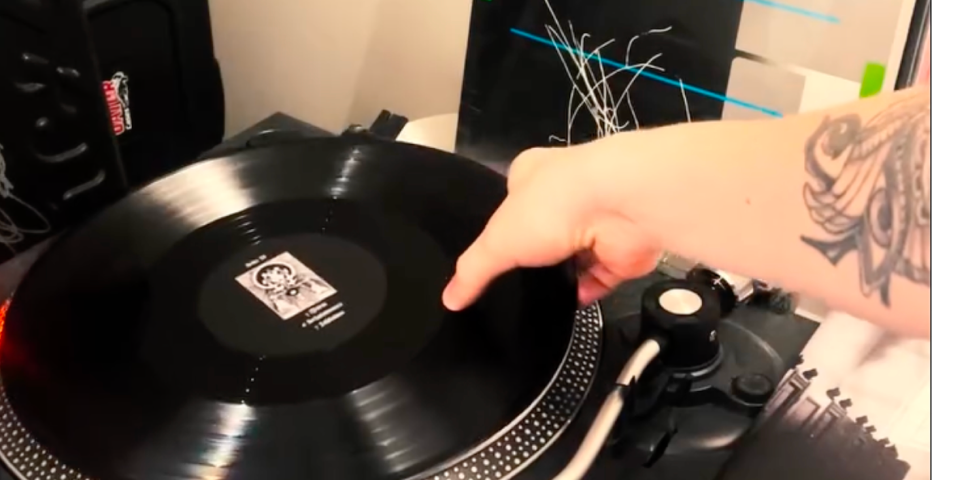
Jahbulon is the first vinyl SubCulture has ever pressed. Why did this record feel like the one that needed to exist as a physical object, not just a file?
Simple answer really. I like collecting records, I've done so since I was a teenager and have quite a nice collection, classics and bass music alike. I just want to have my own one to add to the collection.
It also gives a certain satisfaction. Digital releases aren't that exciting to me. I mean, they're exciting once you hear them come out of speakers into the physical world. Putting it on vinyl gives it a tangible element which I like.
Track by track
Christine is named after the Stephen King book about a car with a mind of its own. What was it about that story that fit this track?
It's about possession really. All of the track concepts are going to be abstract because these aren't songs with lyrics, but Christine is a bit more on the nose with it, as it features samples from the film Nefarious, which is about possession and, big surprise, Satan.
Ashmedai is meant to be a demon trapped inside a waveform for eternity. That's a specific idea for a track. Where did it come from?
To be brutally honest, I think that was one of Jesse's marketing lines for the press release. Ashmedai is a demonic name connected to Solomonic lore. Quite a fun rabbit hole to dive into.
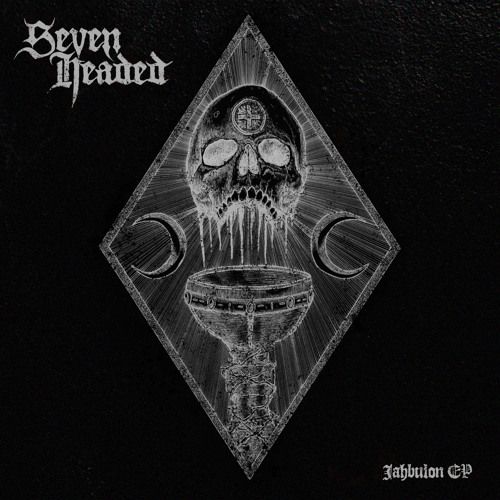
The title track closes the EP, and you've said the name refuses to properly explain itself. What does Jahbulon actually mean to you?
In Masonic lore, Jahbulon is the grand architect of the universe. Basically, god. However, it's not a deity. It's one's personal understanding, or lack of understanding, of god, whether you view that as a classic entity or as the universe, whatever. It's the subconscious archetype of a god-like figure in one's life. The way I see it, that can be very different per person and just as valid.
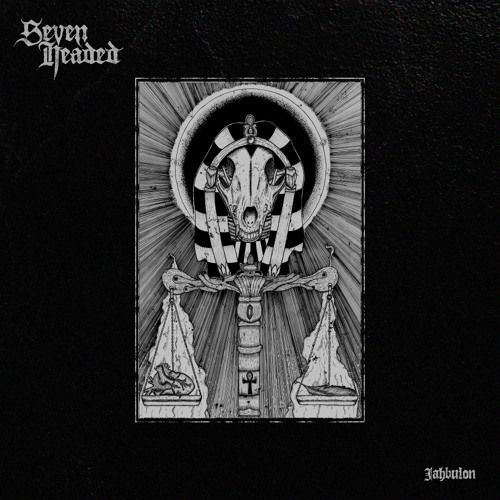
Premonition, Aldgate, Moroi and Scholomance each pull from a different place: London, Romanian folklore, Transylvanian legend. What's the thread that ties the whole EP together?
I think it's just my fascination with these things and places really. I could give the cliche answer of "spookiness", or an "eerie ambiance", but in the end it's just my imagination and inspiration flaring up by interacting with these places and subjects. That imagination is exactly what ties the EP together.
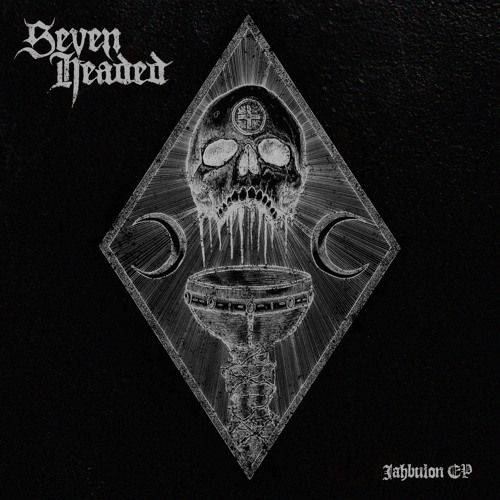
Jahbulon is out now on SubCulture, on vinyl and digital.